

Foshan, in Guangdong Province, is the largest furniture manufacturing hub in China — and arguably in the world. Every year, buyers from the US, Europe, Australia, the Middle East, and Southeast Asia come here to furnish homes, villas, hotels, and entire real estate projects. But if you have never sourced furniture in China before, the process can feel overwhelming: thousands of showrooms, hundreds of factories, different price systems, and a language barrier. This guide walks you through the entire process of furniture sourcing in Foshan, step by step, based on what actually happens on the ground.
Why Source Furniture from Foshan?
Foshan is home to two world-famous furniture areas: Lecong, with more than 3 million square meters of furniture showrooms, and Longjiang, a manufacturing base with thousands of factories. Together they cover every category you can imagine — sofas, beds, dining sets, solid wood furniture, outdoor furniture, custom joinery, home cinema seating, and more.
The advantages are simple:
- Price: Factory-direct pricing is typically 30–60% below retail in Western markets, even after shipping.
- Choice: You can compare hundreds of suppliers in a single day instead of emailing for weeks.
- Customization: Most factories accept changes in size, material, fabric, and finish, even on existing designs.
- Speed: Standard items are often in stock; custom production usually takes 25–45 days.
If you are new to the area, our Foshan furniture buying guide gives a broader overview of the region and how it is organized.
Step 1: Define Your Project Before You Arrive
The most expensive mistake buyers make is arriving in Foshan without a clear brief. Before anything else, write down:
- A room-by-room list of what you need, with approximate dimensions.
- Style references — photos from Pinterest or your interior designer work better than words.
- A target budget per item or per room, not just a total.
- Materials you prefer — solid wood, veneer, marble, fabric, leather, metal.
- Your deadline — when do you need everything delivered and installed?
With a clear brief, a one-day showroom visit becomes dramatically more productive, because every supplier you meet can quote against the same specification.
Step 2: Choose the Right Markets to Visit
Not all showrooms are equal. Lecong is best for browsing finished designs across every style — modern, light luxury, Italian classic, American style, and more. Longjiang is stronger for sofa manufacturing and factory-direct orders. Marble, glass, and solid wood specialists cluster in their own areas.
A typical approach: spend one or two days in the major Lecong furniture malls to understand styles and price levels, then visit selected factories to negotiate real production prices. If you are deciding between the two areas, read our comparison of Lecong vs Longjiang.
Step 3: Shortlist Suppliers — and Verify Them
For every item you want, you should collect quotes from at least two or three suppliers. But beware: in the malls, some “showrooms” are trading companies rather than factories. Neither is automatically wrong, but the price structure and quality control differ.
Key things to verify:
- Who makes the product? Ask directly whether they are the manufacturer or a dealer.
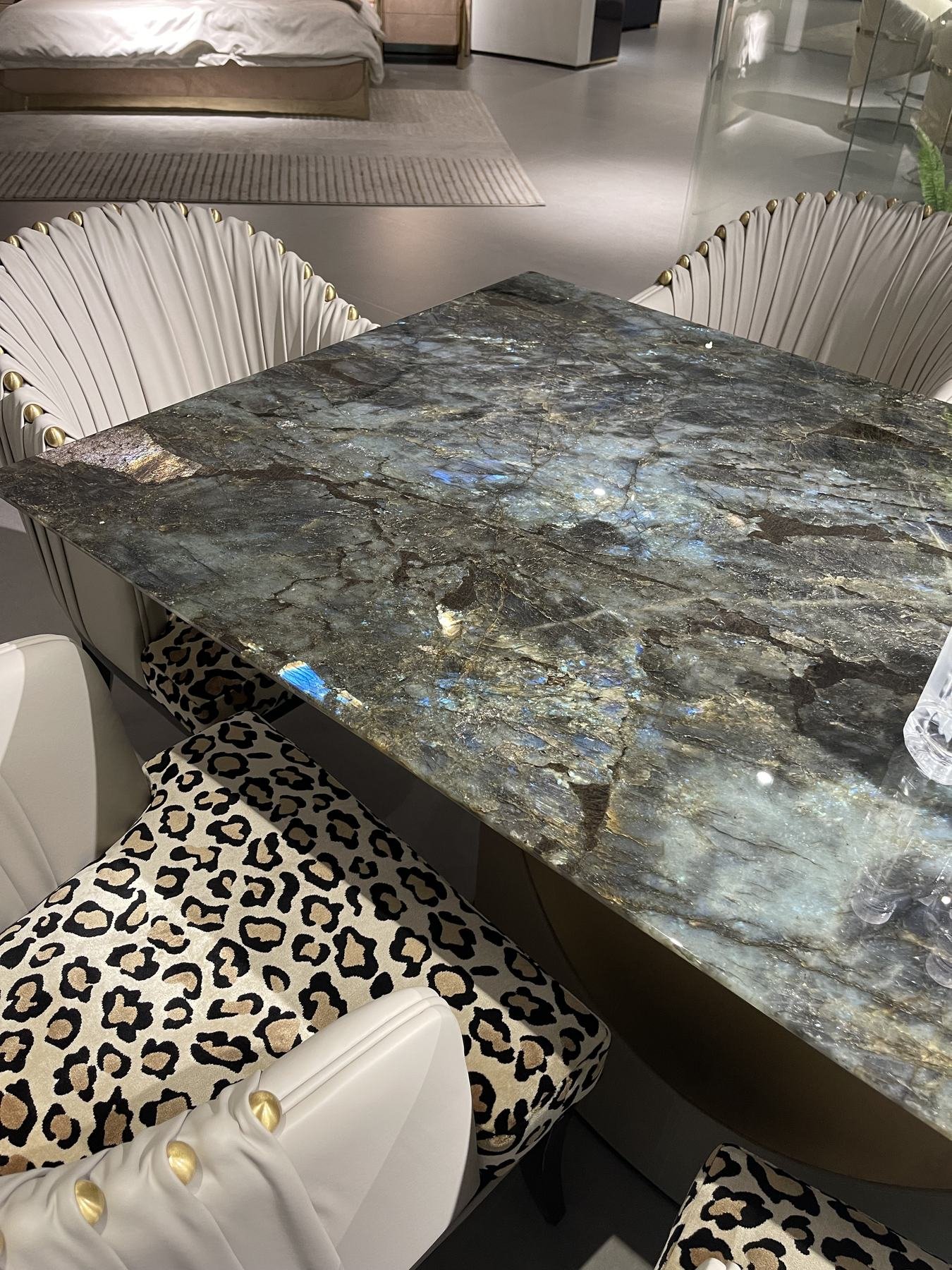
- Real materials: “Solid walnut” can mean solid wood, veneer, or something else entirely. Confirm the frame material, foam density, and fabric composition in writing.
- Photos of past orders: Factories that export regularly will have real project photos.
Step 4: Get Quotes and Negotiate on a Like-for-Like Basis
Quotes in Foshan are usually quoted EXW (Ex Works) — the factory price, excluding shipping, insurance, and customs clearance. Make sure every quote specifies the same things, or you are not comparing prices at all:
- Exact dimensions and materials
- Fabric or leather grade and color
- Finish, hardware, and any customization
- Production lead time
- Packing method (standard carton, wooden crate, etc.)
Negotiation is normal and expected, but an unreasonably low price almost always means cheaper materials somewhere. A reliable way to negotiate is to trade volume or simplicity for price, rather than simply pushing the number down.
Our team handles quotation collection and price negotiation for clients who cannot travel to China, always on an EXW basis with freight quoted separately.
Step 5: Confirm Quality Before Shipment
Never pay a balance and let goods ship without inspection. Quality problems — wrong fabric, scratches, weak frames, wrong dimensions — are dramatically cheaper to fix before loading than after arrival. A proper pre-shipment inspection checks structure, materials, finishes, dimensions, and packing against your confirmed specification.
If you cannot be on site, a third-party check is essential. See our detailed furniture quality inspection service for what a professional check covers.
Step 6: Consolidate, Ship, and Clear Customs
Most buyers order from several suppliers, so goods need to be consolidated in one warehouse and loaded into one container. This saves significant freight cost compared with shipping each order separately. Freight is normally quoted separately from the goods, and you can appoint your own freight forwarder or work with one we coordinate with.
A typical full-process timeline looks like this:
- Week 1: Showroom visits, shortlisting, quotations.
- Week 2: Confirm orders, pay deposits, production scheduling.
- Weeks 3–7: Production (25–45 days for custom items).
- Week 7–8: Pre-shipment inspection, balance payment, consolidation, container loading.
- Weeks 8–12: Sea freight and customs clearance at destination.
Common Mistakes First-Time Buyers Make
- Buying on looks alone. Two identical-looking sofas can differ hugely in frame, foam, and fabric quality.
- No written specification. Verbal agreements about materials lead to disputes.
- Ignoring container efficiency. Odd sizes waste container space and raise your real landed cost.
- Skipping inspection to save time. One damaged container costs more than a hundred inspections.
- Underestimating the language gap. Misunderstandings about “walnut color” or “genuine leather” are extremely common.
Do You Need a Sourcing Agent in Foshan?
You can do all of this yourself if you speak Chinese, have time on the ground, and enjoy negotiating. Many buyers, however, prefer to work with a local buying office. A good agent helps you compare like-for-like, avoid trading-company markups, follow up production, inspect goods, and consolidate shipments — and saves you one or two trips to China.
At BAUER DUKE, we are a Foshan-based furniture sourcing team, in the business since 2012. We are paid by you, not by the factories — our transparent service fee keeps our advice on your side of the table. You can see the full scope of what we do on our furniture services page, or read more about our furniture sourcing service specifically.
Start Your Foshan Furniture Project
Whether you are furnishing one apartment or a whole villa project, the process starts the same way: tell us what you need, and we will put together a sourcing plan with real factory prices. Send us your requirements through our contact page, or message us directly on WhatsApp at +86 153 2089 3285 — we reply within one business day.